Captain Marvel
Mar-Vell
First Appearance
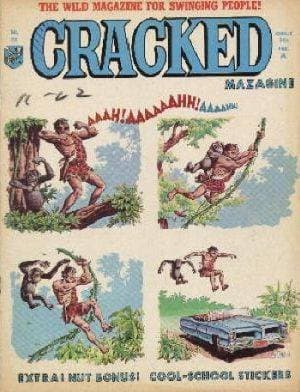
Cracked #58 (1967)
Powers & Abilities
Teams
Also Known As
Mar-Vell, Captain Mar-Vell, Dr. Walter Lawson, The Protector Of The Universe, Mahr-Vehl, Mar, Marv, Marvin Ellwood, Silvertop, Phillip Lawson, Marvel Universe, Captain Universe, Captain Marvin, Geheneris Halason Mahr-Vehl, Tinseltop, Cap, Warrior, Lord Mar-Vell, E-Vell, Kre
About Captain Marvel
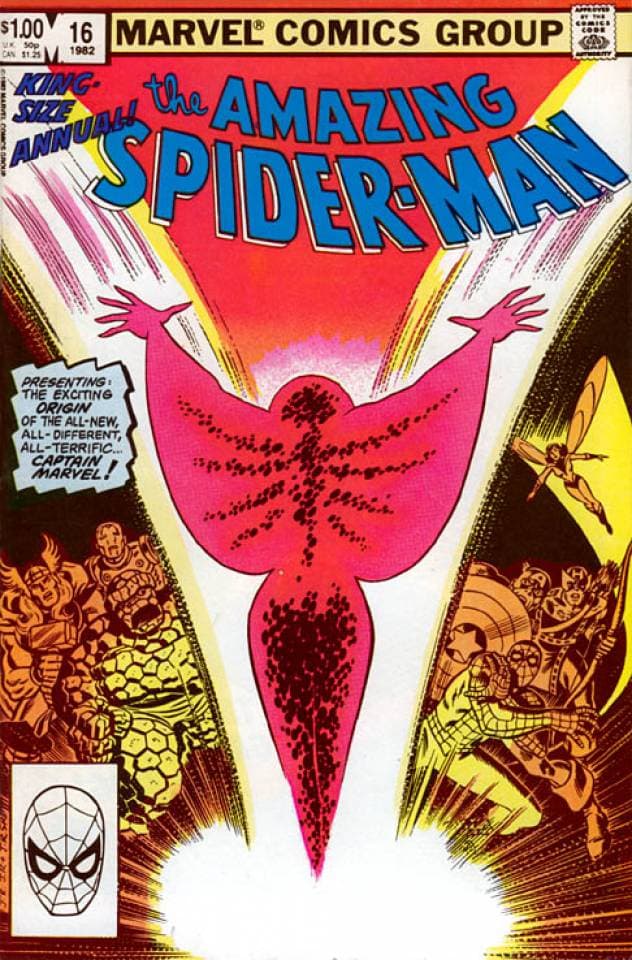
Mar-Vell, the Kree warrior known as Captain Marvel, stands as one of Marvel's most beloved cosmic icons and a cornerstone of the publisher's space-faring mythology. Originally dispatched to Earth as a Kree intelligence operative under the cover identity of Dr. Walter Lawson, Mar-Vell's sense of honor and growing bond with humanity transformed him from a reluctant spy into a genuine champion of the innocent. Armed with the legendary Nega-Bands and wielding Cosmic Awareness — an almost omniscient perception of the universe's energy and events — he became a force that even galactic tyrants feared. His title, Protector of the Universe, bestowed upon him by the cosmic entity Eon, was not ceremonial; Mar-Vell earned it through blood, sacrifice, and an unyielding moral compass.
For collectors, the character's publishing history is a thrilling hunt. His debut launched a legacy that would eventually birth multiple successors and reshape Marvel's entire cosmic landscape. His solo series from the late 1960s into the 1970s is a fascinating evolution, starting as a more grounded espionage-tinged adventure before writer Roy Thomas and then the legendary Jim Starlin completely reinvented him as a psychedelic, philosophy-drenched cosmic warrior. Starlin's run in particular — introducing the cosmic villain Thanos as Mar-Vell's nemesis and weaving in themes of death, purpose, and transcendence — is considered some of the finest work in Bronze Age comics and is essential reading for any serious Marvel collector.
The landmark graphic novel that concluded Mar-Vell's story is one of the most significant single publications in comic book history. Released in 1982, it was Marvel's first original graphic novel and told the unflinching tale of Mar-Vell facing terminal cancer — a real-world disease treated with remarkable dignity and weight. The story, written and illustrated by Jim Starlin, redefined what superhero comics could accomplish emotionally and remains a perennial favorite among readers and collectors decades later. Surrounded by friends and fellow heroes, Mar-Vell's death became the template for meaningful character mortality in mainstream comics.
Mar-Vell's books are worth pursuing for numerous reasons: the Bronze Age solo issues represent some of Starlin's most inventive cosmic storytelling, crossover appearances tie him to pivotal events across the Marvel Universe, and his connections to characters like Thanos, Drax, and Moondragon make his back issues essential context for understanding Marvel's modern cosmic era. Key issues from his original series and the original graphic novel command consistent demand in the collector market, and as interest in Marvel's cosmic mythology continues to grow, Mar-Vell's foundational role only increases in importance.