Wonder Woman
Diana of Themyscira
First Appearance
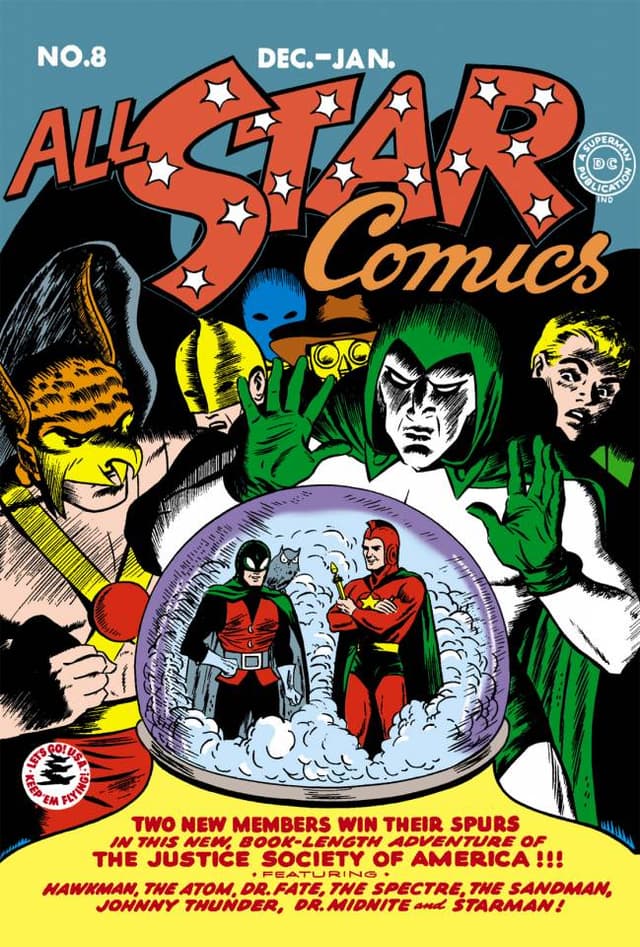
All-Star Comics #8 (1941)
Powers & Abilities
Teams
Also Known As
Diana Prince, Diana of Themyscira, Princess Diana, Princess of the Amazons, Goddess of Truth, Diana the Goddess of Truth, Wondy, Wonder Girl, The Amazon Princess, Wonder Tot, Wonder Wabbit, Diana Prance, Wonderous Man, Dane of Themyscira, Miss America, Madame .44
About Wonder Woman
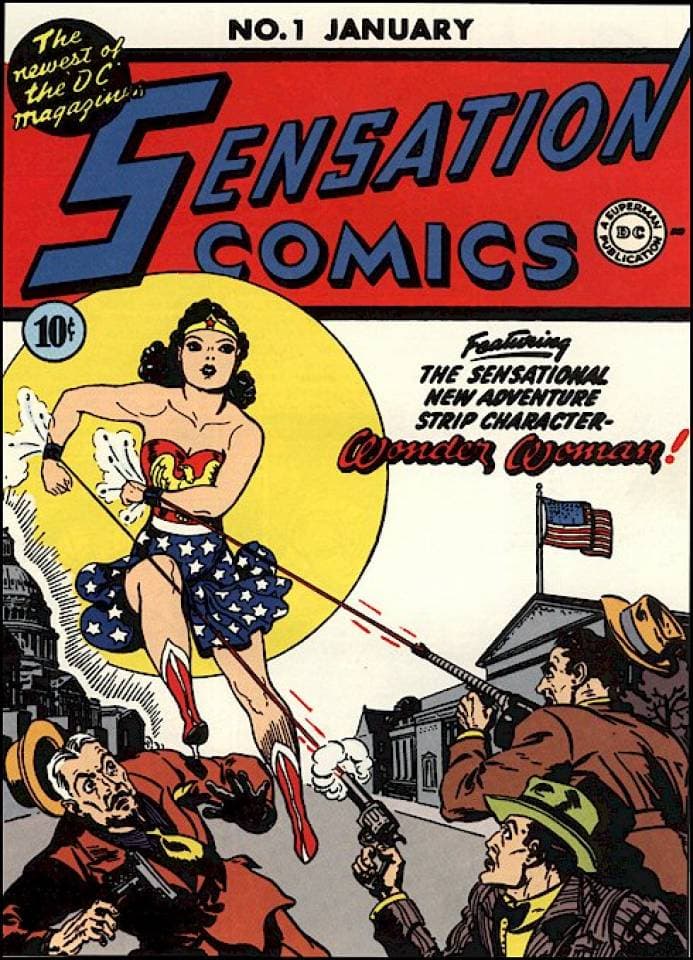
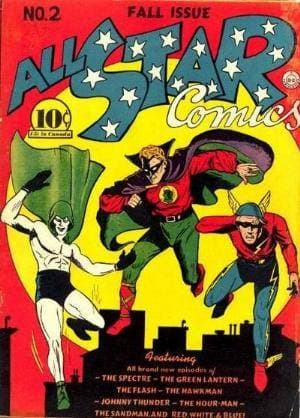
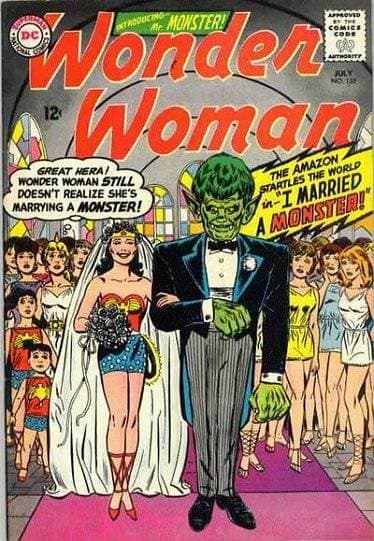
Diana of Themyscira, known to the world as Wonder Woman, stands as one of the most iconic and enduring superheroes in comic book history. She made her landmark debut in All-Star Comics #8 (1941), created by psychologist William Moulton Marston and artist H.G. Peter — a first appearance that ranks among the most significant and sought-after keys in the entire hobby. That issue introduced Diana as an Amazonian warrior princess gifted with extraordinary abilities by the gods of Olympus, including superhuman strength, speed, and invulnerability, alongside legendary weapons like the Lasso of Truth and indestructible bracelets. Her solo series launched just a few issues later in Sensation Comics #1 (1942), and her self-titled ongoing Wonder Woman series began the same year, making her one of the very few superheroes — alongside Superman and Batman — to maintain a continuous publication history spanning more than eight decades.
Over the decades, Wonder Woman has been reshaped by some of comics' most celebrated writers and artists. George Pérez's landmark post-Crisis relaunch in the late 1980s is considered one of the definitive reimaginings of the character, grounding her mythology deeply in Greek legend and earning a devoted collector following for that entire run. Phil Jimenez continued that mythological richness in the early 2000s, while Brian Azzarello and Cliff Chiang's New 52 run brought a darker, horror-tinged take that remains a fan favorite. More recently, Greg Rucka's celebrated return to the character delivered a dual-timeline narrative that won critical acclaim and introduced key supporting characters and revelations that sent collectors hunting for back issues. Each of these eras produced essential reading and highly collectible runs.
Beyond her solo adventures, Wonder Woman has been a cornerstone of DC's greatest team titles for generations. She was among the founding members of the Justice League of America, and her appearances in Justice League landmark issues — including Justice League #1 from both the 1987 and 2011 relaunches — are perennial collector targets. She also carries deep roots in the Justice Society of America, connecting her history all the way back to the Golden Age. Her membership across an extraordinary range of teams, from Justice League Dark to Justice League Europe, means her key appearances are spread across decades of DC publishing history, giving collectors a rich and varied hunt.
For collectors, Wonder Woman represents one of the safest and most rewarding long-term investments in the hobby. Her Golden Age keys — particularly All-Star Comics #8, Sensation Comics #1, and early issues of her self-titled series — command extraordinary prices and rarely come to market in high grade. Her Silver and Bronze Age books have surged in demand alongside growing mainstream recognition of the character. Add to that the depth of her 1980s and 1990s runs, multiple prestige format specials, and a string of crossover appearances in major DC events like Blackest Night, Infinite Crisis, and Dark Nights: Metal, and Wonder Woman's back-issue market offers something compelling for collectors at every level. Whether you are hunting raw Golden Age treasures or chasing slabbed keys from modern landmark runs, Diana's shelf presence in any serious DC collection is absolutely essential.