Two-Face
Harvey Dent
First Appearance
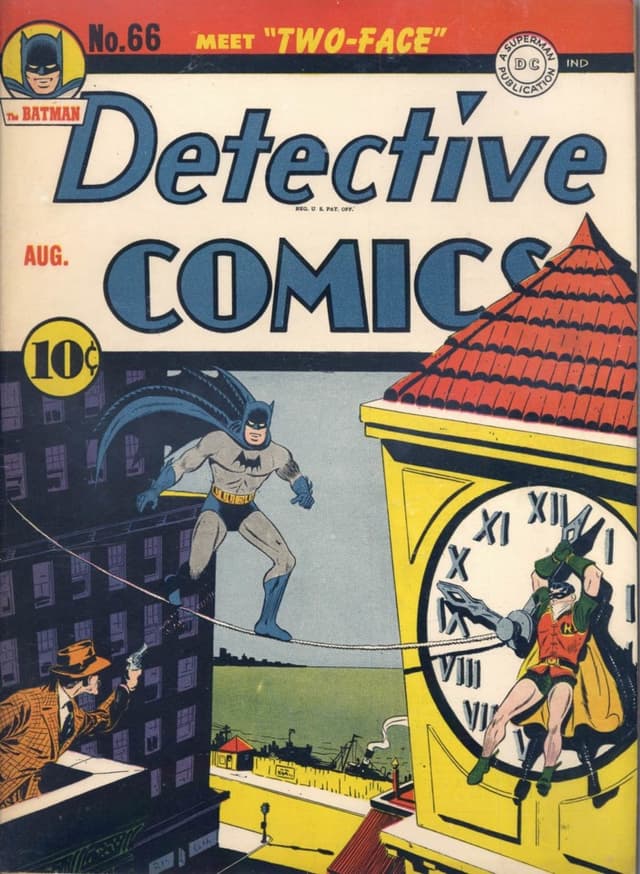
Detective Comics #66 (1942)
Powers & Abilities
Teams
Also Known As
Harvey Dent, Multi-Face, Twoheaded, Apollo, Janus, Gotham's Protector, Harv, The Holiday, Handsome Harvey, Big Bad Harv, Gotham's White Knight, Harvey Kent, Binary Star, The Double Man, Mr. Apollo, Mr. Dionysus, Double Dog, Mister Dent, Duke of Duality, One-Face, Darcy Dent
About Two-Face
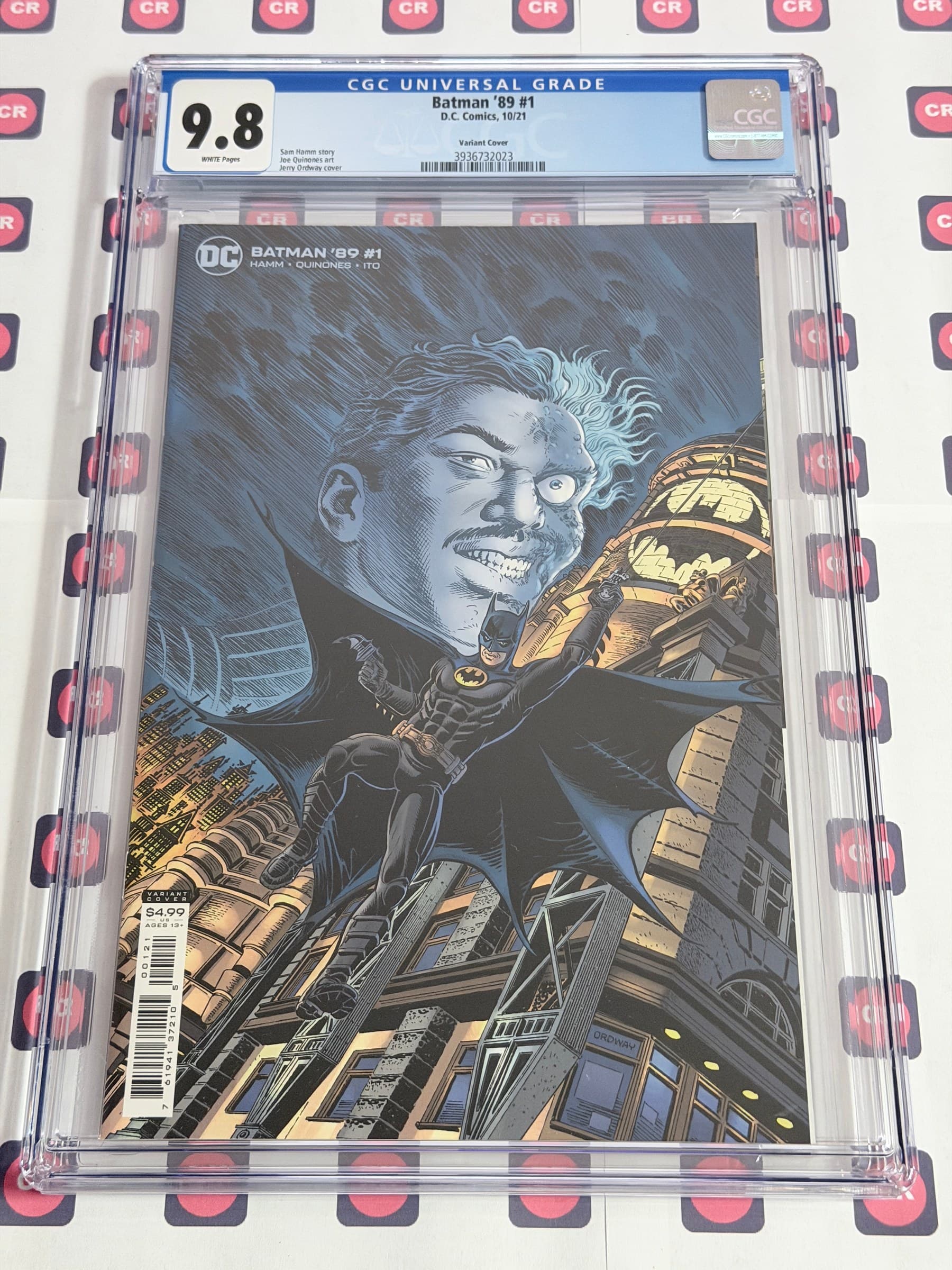
Harvey Dent was once the shining hope of Gotham City — a brilliant, crusading district attorney who stood shoulder to shoulder with Batman in the war against crime. That all changed the day mob boss Sal Maroni hurled acid across a courtroom, scarring exactly half of Dent's face and fracturing his already fragile psyche. From that moment, Harvey retreated into the duality that would define him forever, emerging as Two-Face, a villain whose every decision is surrendered to the flip of a scarred silver dollar. First appearing in Detective Comics #66 in 1942, Two-Face is one of DC's oldest and most psychologically complex villains, making his debut issues among the most prized Golden Age Batman keys in the entire hobby.
Over the decades, Two-Face has been reimagined and reinvigorated through some of Batman's most celebrated story arcs. Jeph Loeb and Tim Sale cemented his modern mythology in Batman: The Long Halloween and its sequel Batman: Dark Victory, where Harvey Dent's transformation from ally to nemesis plays out across a sweeping crime epic. These prestige-format limited series are perennial fan favorites and consistently strong performers on the back-issue market. Frank Miller's Batman: Year One also treated Dent as a key figure in Gotham's history, reinforcing his status as a cornerstone of Batman lore. More recently, Tom King's sprawling Batman run and various Rebirth-era stories have continued to explore the tragedy at Harvey's core, keeping him relevant across generations of readers.
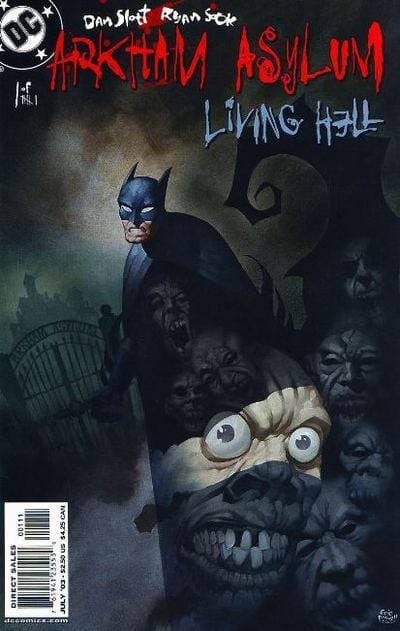
Beyond his solo villainy, Two-Face has a remarkable team history, having operated within groups like the Injustice League, the Secret Society of Super Villains, and the Legion of Doom. His appearances in Arkham Asylum stories and the Arkham Knights lineup further demonstrate his staying power as a fixture of Gotham's rogues gallery. Unlike many villains defined purely by their powers, Two-Face resonates because of what he represents — the collapse of justice, the corruption of a good man, and the razor-thin line between hero and monster.
For collectors, Two-Face books carry serious weight. Detective Comics #66 is a true Golden Age grail, and high-grade copies command premium prices. The Long Halloween and Dark Victory issues in their original printings are must-haves for Batman shelf builds. His appearances across Neal Adams-era Batman comics, the Bronze Age Detective Comics run, and key Knightfall-era issues all represent smart collecting targets. Whether you're chasing Golden Age history, prestige-format storytelling, or modern key issues, Two-Face sits at the intersection of collector value and iconic comics legacy.