The Deep
First Appearance
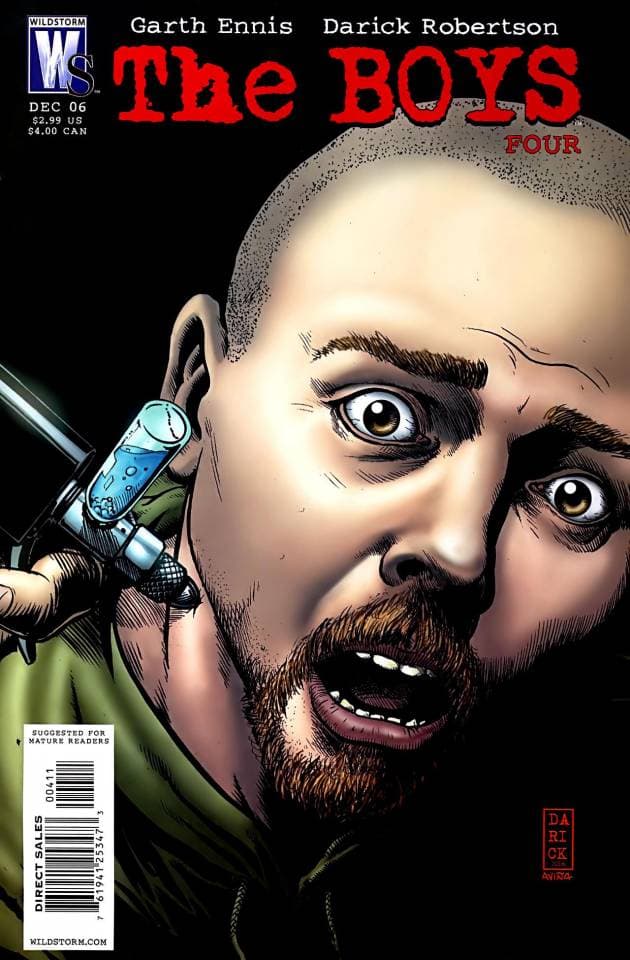
The Boys #4 (2006)
Powers & Abilities
Teams
Also Known As
King of the Seas
About The Deep
The Deep is one of the most recognizable — and most satirized — figures in Dynamite's The Boys universe. Operating under the alias King of the Seas, this aquatic powerhouse serves as a core member of The Seven, the premier superhero team backed by the all-powerful corporation Vought American. His abilities mirror the classic archetype of underwater comic book heroes: flight, superhuman strength and stamina, and a mastery of the seas that makes him a formidable force in battle. Yet beneath the surface-level spectacle lies a character whose popularity stems less from heroism and more from the unflinching way writer Garth Ennis uses him to skewer the myth of the costumed hero.
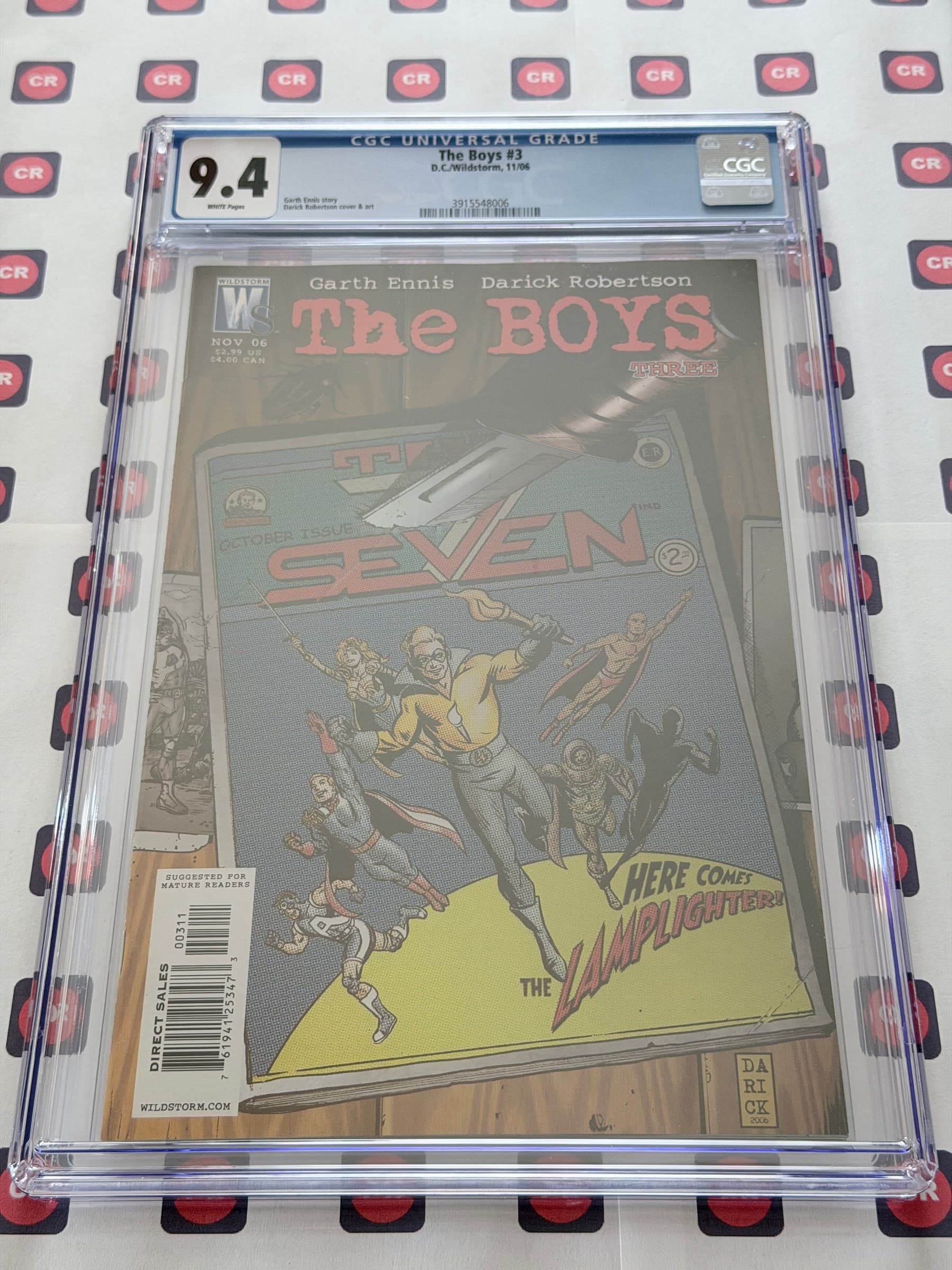
The Deep makes his first significant appearance in The Boys #4 (2006), published under the DC/Wildstorm imprint before the series moved to Dynamite Entertainment. That early issue is a key pickup for collectors looking to build a foundational run of one of the most subversive superhero titles of the modern era. As The Boys gained cult status and later mainstream recognition, back issues from the original Wildstorm run have seen considerable collector demand, making early chapters of the series increasingly difficult to find in high grade.
Within the pages of The Boys, The Deep functions as a symbol of institutional corruption and unchecked celebrity ego. His arc across the series explores what happens when power is handed to the unworthy — a theme that resonates deeply with the book's overarching critique of superhero culture. His membership in both The Seven and his corporate alignment with Vought American place him at the center of many of the series' most explosive story beats, and collectors who follow the full run will find his character woven into pivotal moments throughout.
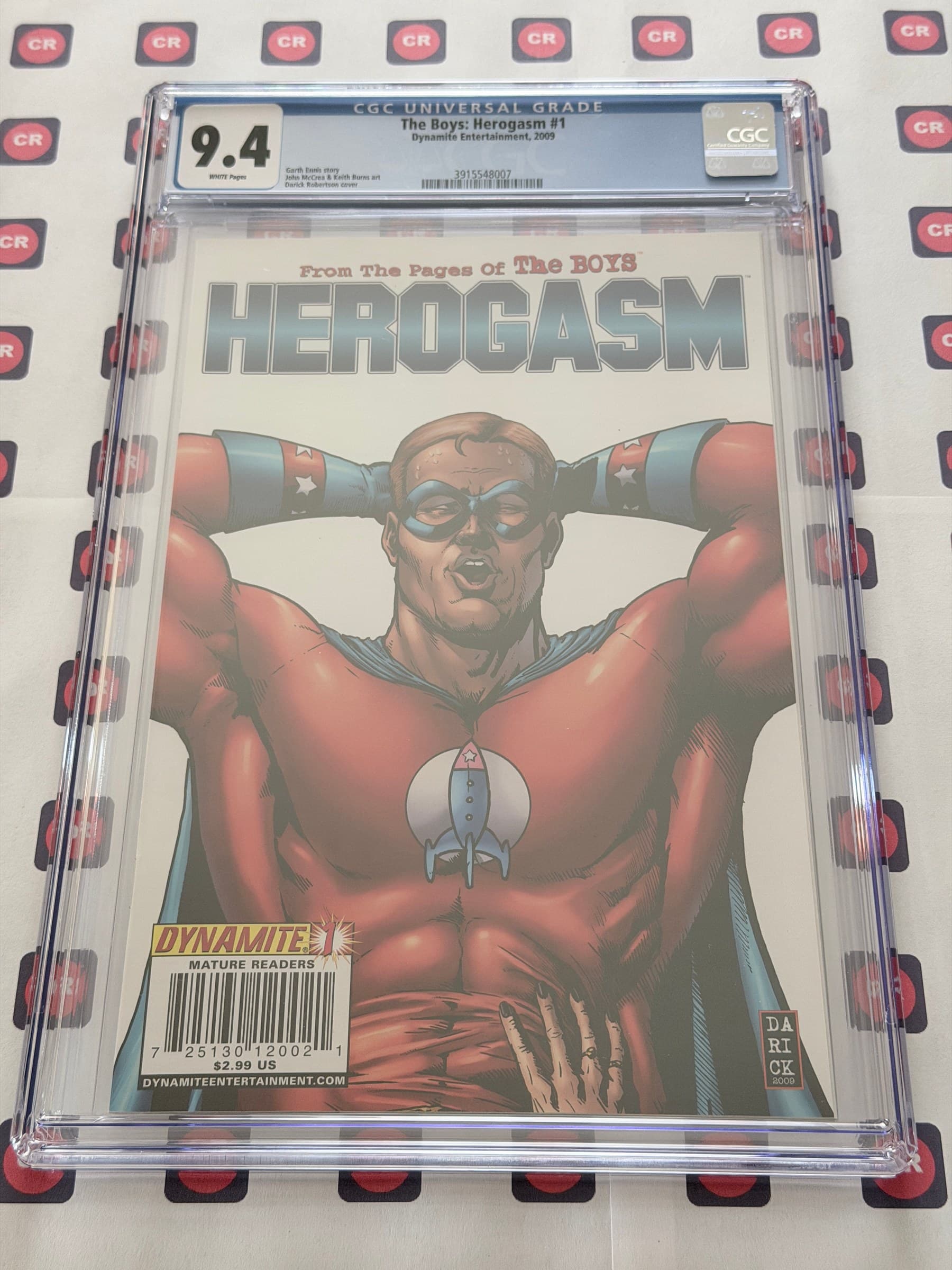
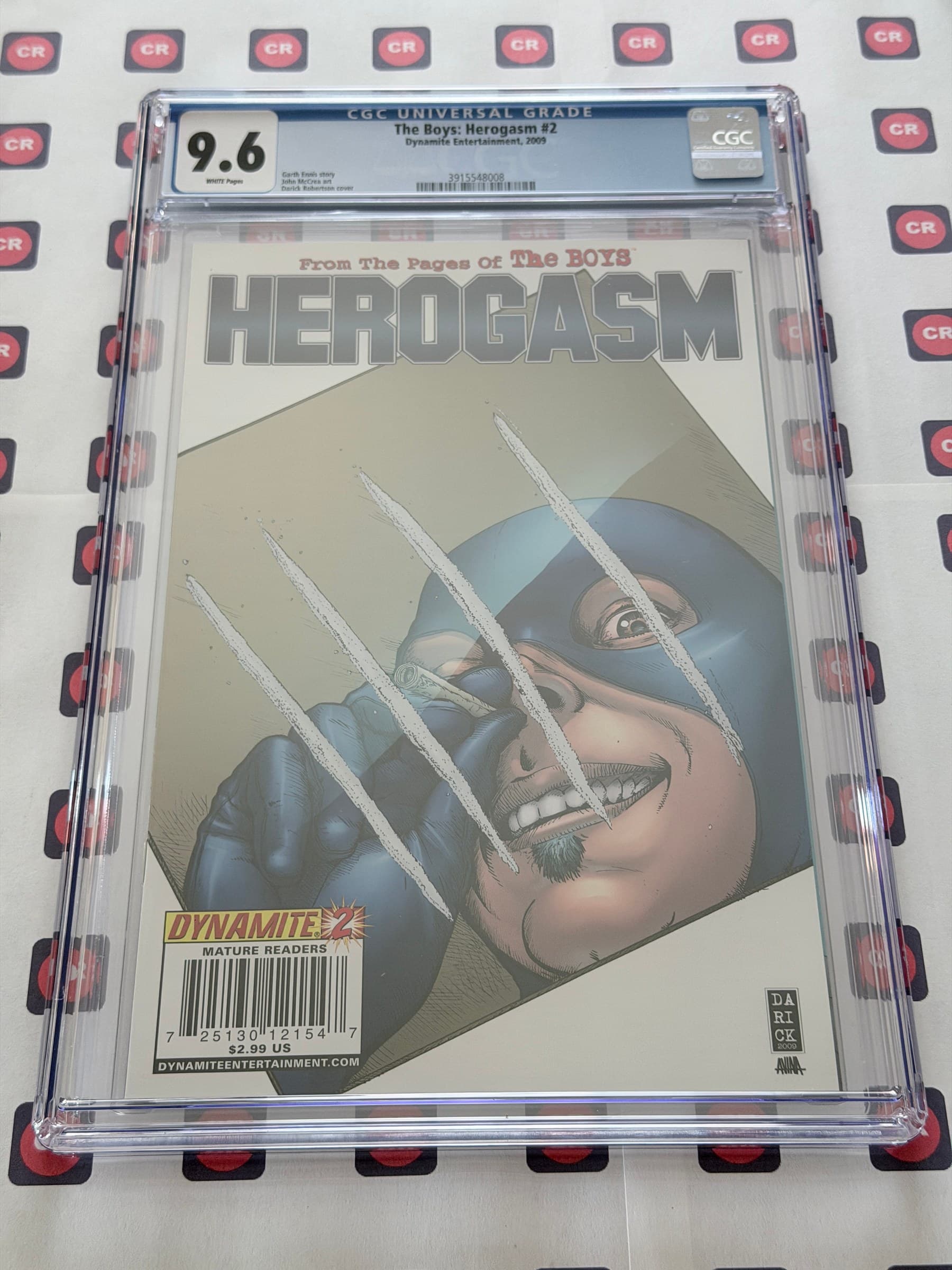
For collectors, The Boys represents one of the most culturally significant independent superhero titles of the 2000s, and The Deep is a central reason why. The combination of the series' mature themes, Darick Robertson's visceral artwork, and the character's real-world cultural footprint — amplified by the Amazon Prime adaptation — has driven consistent back-issue demand. First appearances and early run issues remain strong performers at convention tables and auction houses alike, making this a title worth tracking down and preserving.