Killer Moth
Drury Walker
First Appearance
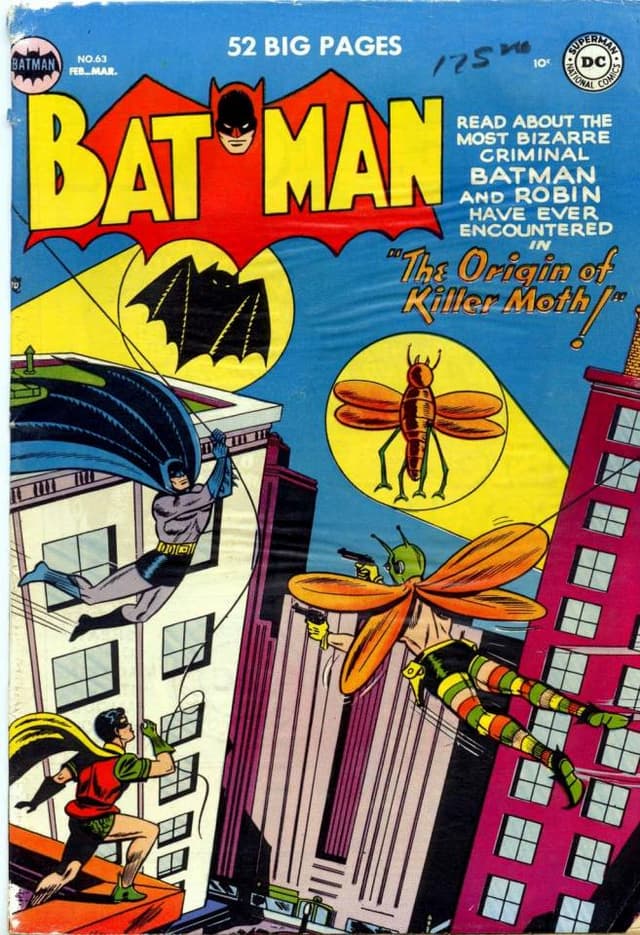
Batman #63 (1951)
Powers & Abilities
Teams
Also Known As
Drury Walker, Cameron van Cleer, Danko Twag, Laszlo Furlenbach, Mothman, Prisoner 234026
About Killer Moth
Killer Moth is one of Batman's oldest recurring foes, making his debut in Batman #63 (1951) — a key Silver Age issue that serious DC collectors actively hunt. Created as a dark mirror of the Caped Crusader, Drury Walker fashioned himself as a criminal's answer to Batman, complete with a garish moth-themed costume, a Moth-Signal, and a Moth-Cave. Operating under a string of aliases including Cameron van Cleer and Danko Twag, he positioned himself as a hired protector for Gotham's underworld, offering to rescue crooks from the clutches of the law. That debut issue is a legitimate Golden-to-Silver Age bridge piece with strong demand among Batman completionists.
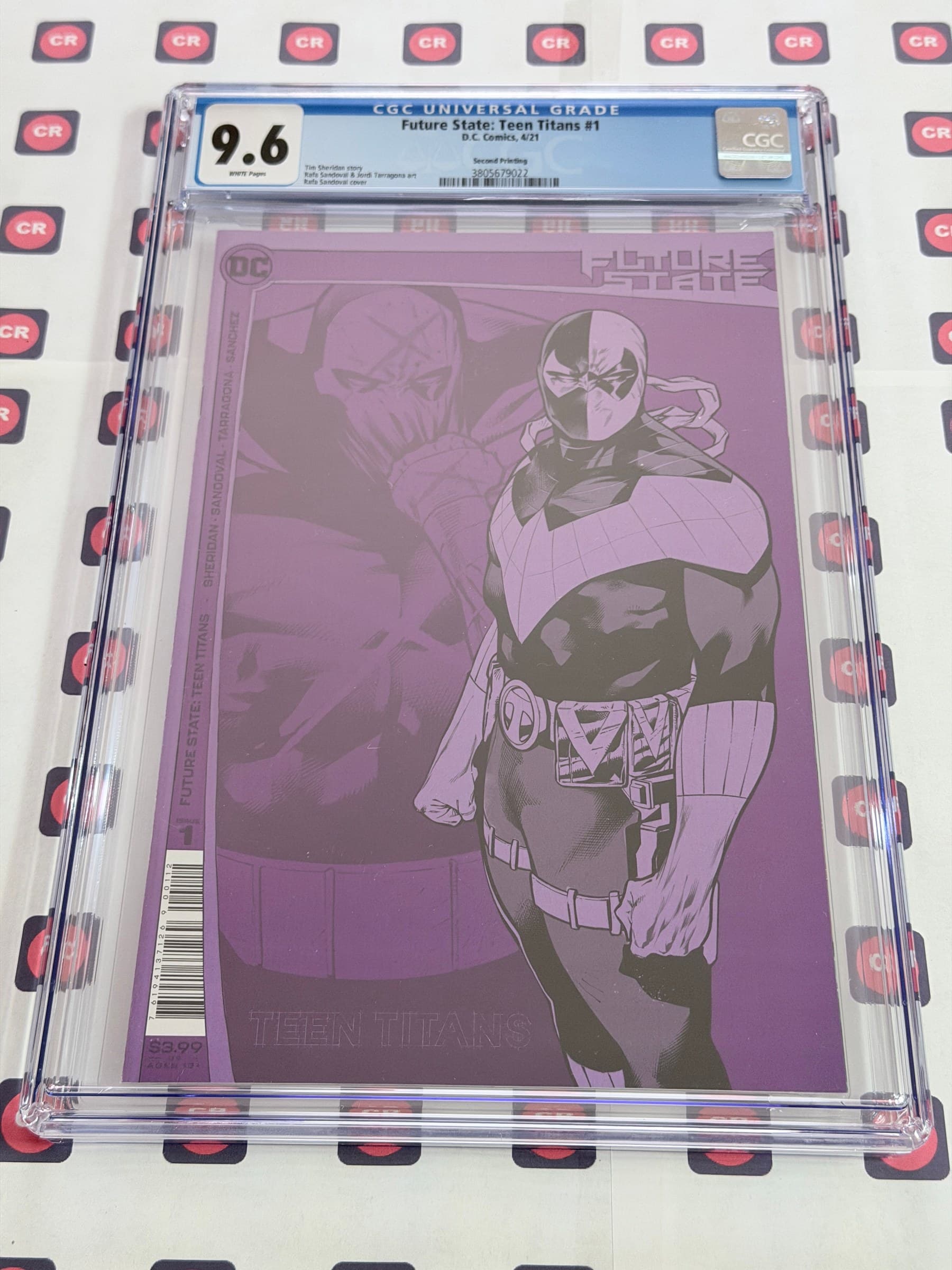
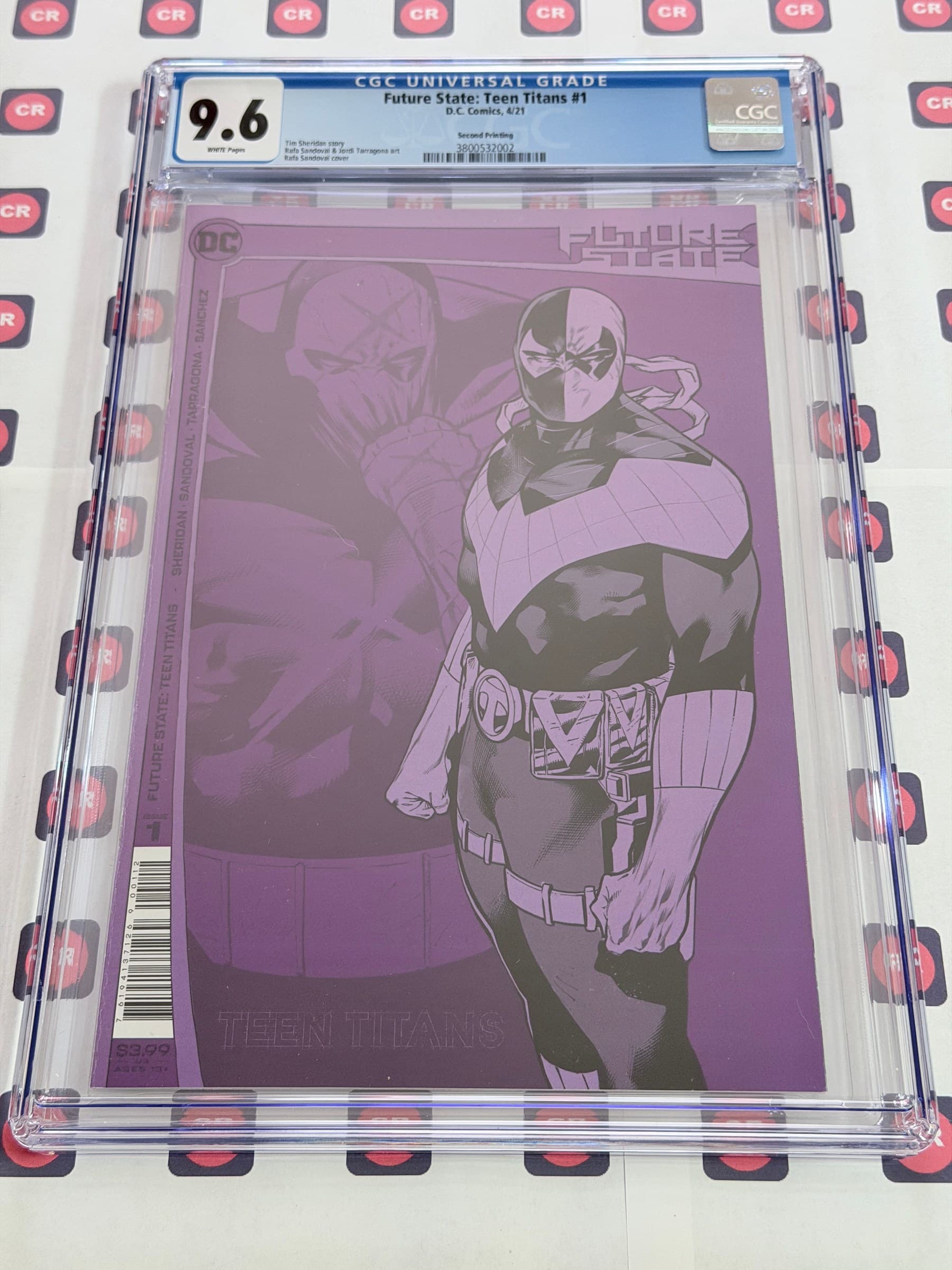
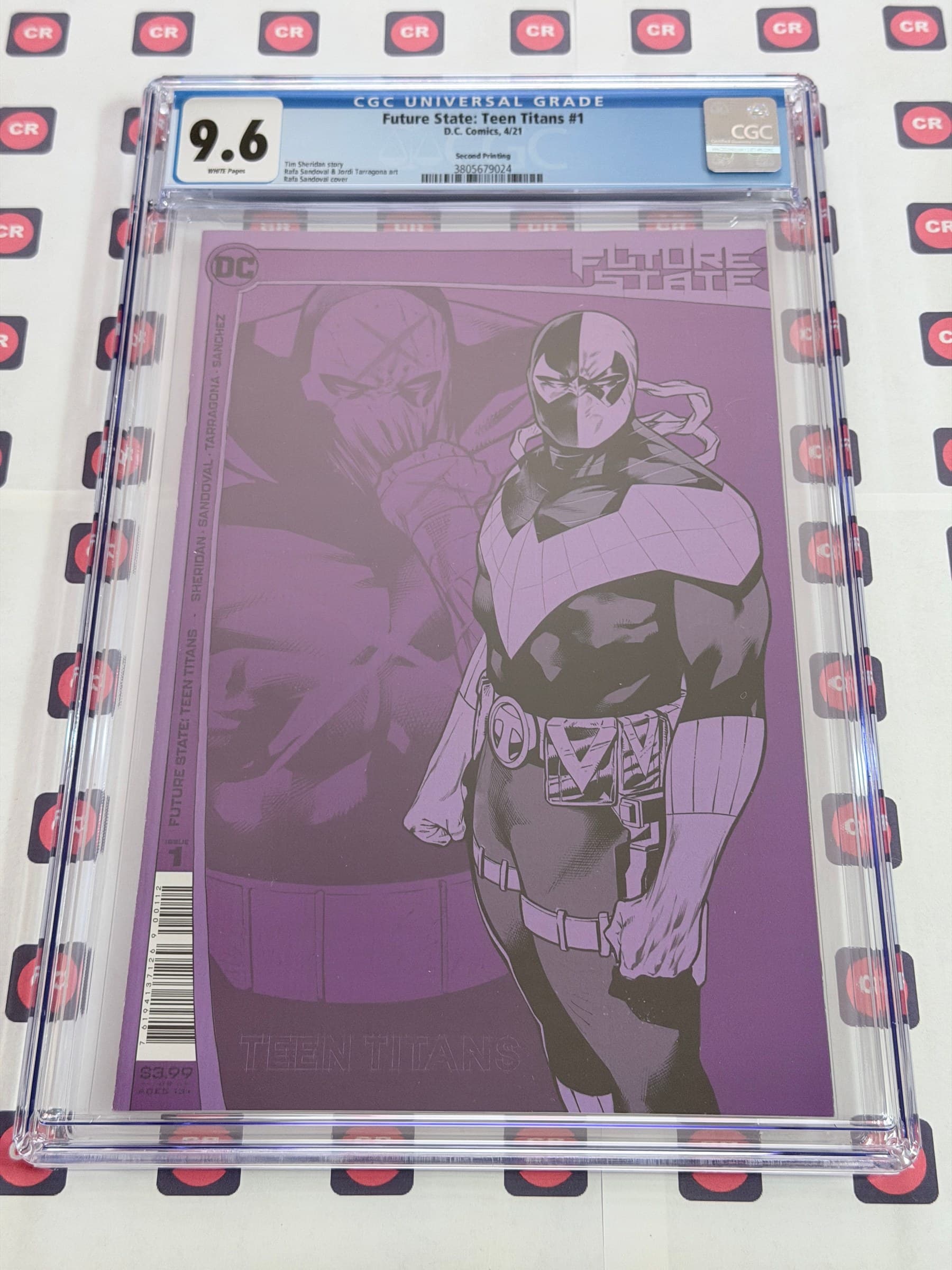
Killer Moth's most transformative moment came in the pages of Batman: Shadow of the Bat, where a desperate bargain with the demon Neron during the Underworld Unleashed crossover event turned Drury Walker into the monstrous, feral Charaxes — a grotesque giant moth creature that shed his campy origins entirely. This darker chapter added real horror-villain weight to a character once dismissed as a joke, and the Underworld Unleashed tie-in issues saw a notable spike in collector interest. His power set expanded wildly across decades, encompassing flight via mechanical wings, a cocoon-spinning webslinger, chemical secretions, adaptive gadgetry, and an advanced power suit that made him a genuine physical threat.
Beyond his solo villainy, Killer Moth boasts an impressive team sheet that adds significant back-issue value across multiple titles. His membership in groups like the Secret Society of Super Villains, the Brotherhood of Evil, the Suicide Squad, and the oddball Misfits means his appearances are scattered across a wide range of Bronze and Modern Age books — making him a rewarding deep-dive for collectors who enjoy chasing appearances across team rosters. His role in Green Arrow's Longbow Hunters-era stories also connects him to one of the most critically acclaimed runs in DC history.
For collectors, Killer Moth represents exactly the kind of character whose books reward patience and research. Batman #63 is the crown jewel — an early Batman villain issue with genuine age and scarcity — but the Charaxes-era issues, his Suicide Squad appearances, and his role in crossover events like Underworld Unleashed all offer accessible entry points at varying price points. As DC's back-catalog continues to attract new readers and investors, Killer Moth's long publication history and surprisingly diverse story contributions make him a compelling and undervalued addition to any serious Gotham villains collection.