Hellboy
Anung Un Rama
First Appearance
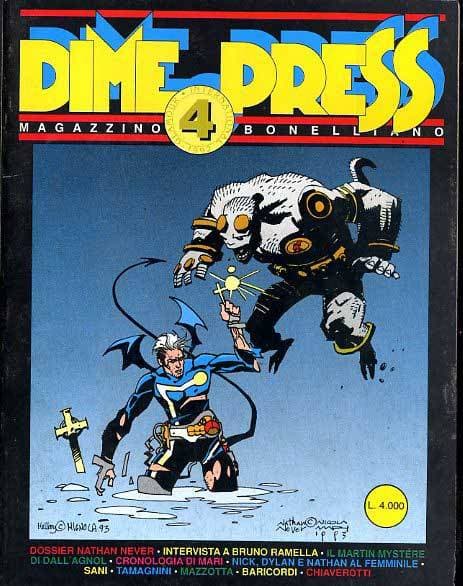
Dime Press #4 (1993)
Powers & Abilities
Teams
Also Known As
Anung Un Rama, Beast of the Apocalypse, The Great Beast, The Right Hand of Doom, World Destroyer, Son of the Fallen One, Brother Red, Rosie, H.B.
About Hellboy
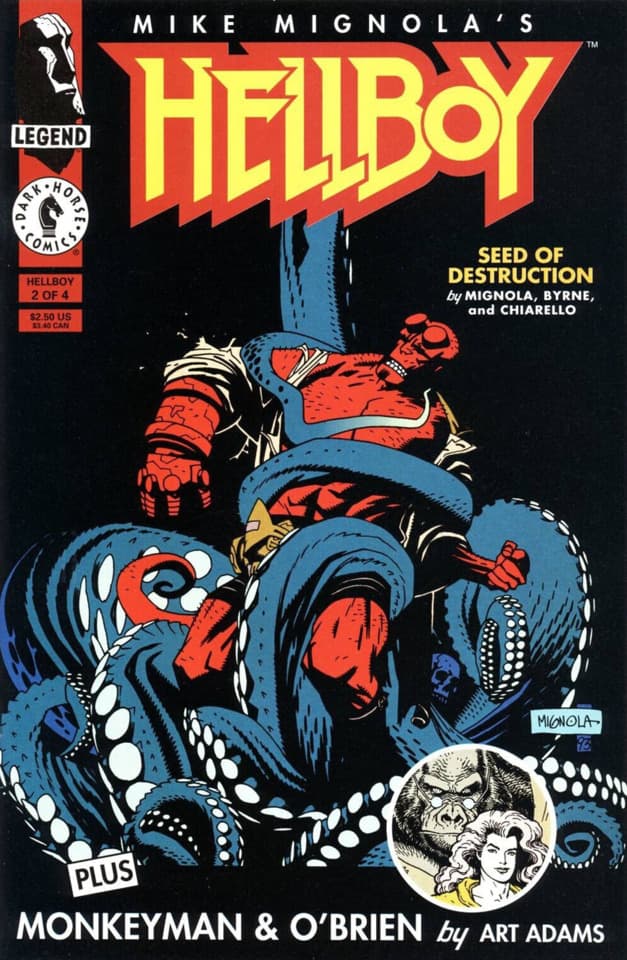
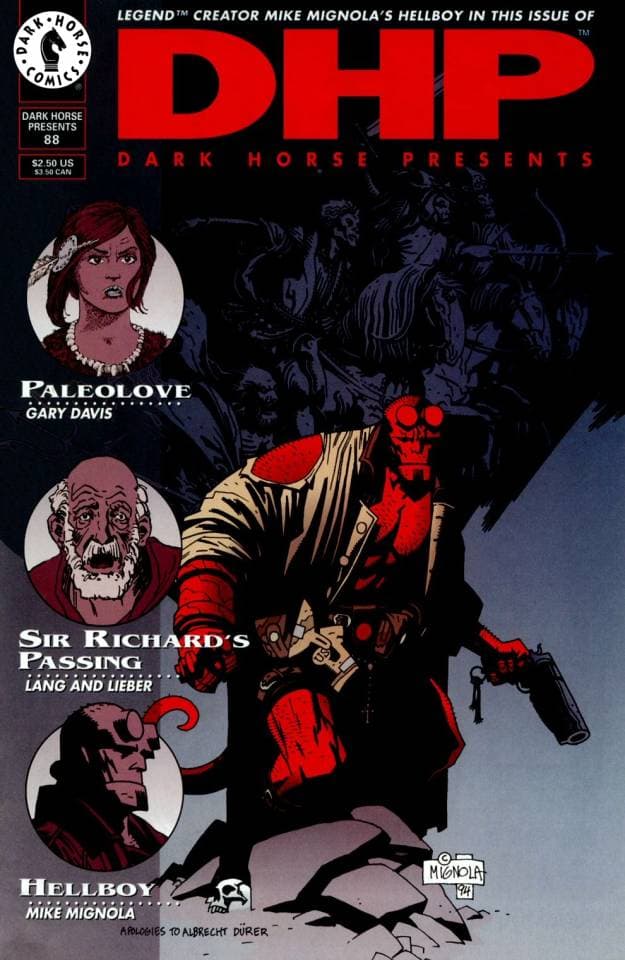
Hellboy, whose true name Anung Un Rama marks him as the prophesied Beast of the Apocalypse, is one of the most iconic and beloved characters to emerge from independent comics. Created by Mike Mignola, the character made his first appearance in the pages of Dime Press #4 in 1993 — a convention preview publication that is now considered one of the holy grails of Dark Horse collecting. That debut copy is extraordinarily rare and commands serious attention at auction. Hellboy's full launch came with the limited series Seed of Destruction in 1994, the true cornerstone of any serious Hellboy collection, establishing the half-demon paranormal investigator who works for the Bureau for Paranormal Research and Defense (B.P.R.D.) while carrying the weight of a destiny he refuses to accept.
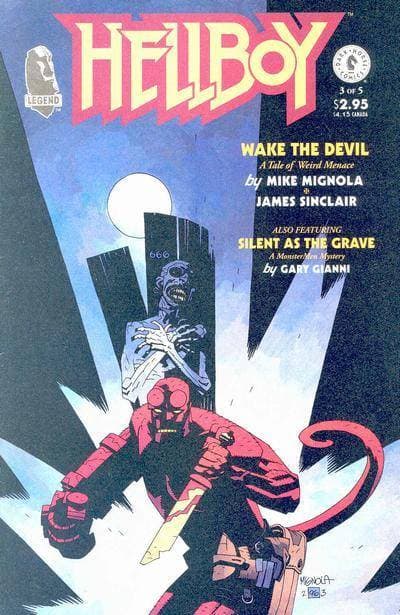
Hellboy's mythology runs deep and rewards dedicated collectors. His signature stone Right Hand of Doom, his filed-down horns, and his battered trench coat have become as recognizable as any symbol in comics. Over the decades, Mignola crafted an expansive supernatural universe drawing from folklore, Lovecraftian horror, and Nazi occultism, telling stories across landmark arcs like Wake the Devil, The Chained Coffin and Others, Conqueror Worm, and the sweeping Darkness Calls and The Storm and The Fury, which finally brought Hellboy's apocalyptic destiny to a head. Each of these arcs introduced key characters, lore, and unforgettable imagery that collectors prize in both single issues and collected editions.
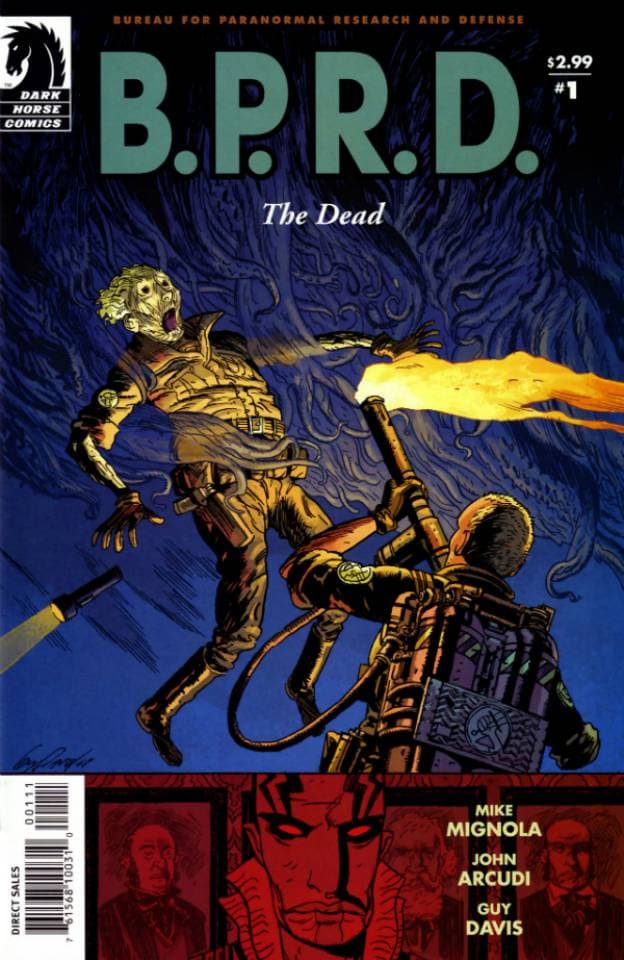
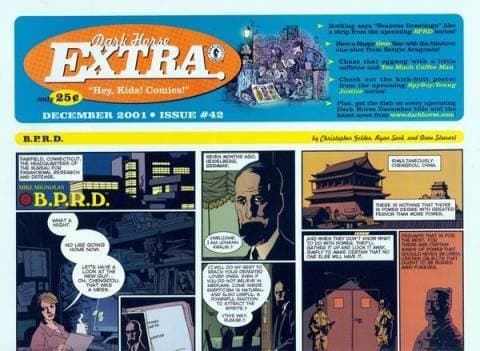
Beyond his solo adventures, Hellboy's world expanded dramatically through spinoff titles centered on the B.P.R.D., Lobster Johnson, Witchfinder, Abe Sapien, and Frankenstein Underground, creating one of the richest interconnected universes in independent comics history. Key issues within these satellite series — particularly early B.P.R.D. appearances and first issues of spinoff runs — have grown steadily in collector value as the broader Hellboy universe has gained mainstream recognition through film adaptations and critical acclaim.
For collectors, Hellboy represents a rare opportunity to own a corner of comics history that is both artistically significant and financially compelling. Mignola's painterly, shadow-drenched artwork made even standard issues visually stunning, and variant covers, convention exclusives, and signed editions are consistently sought after. First prints of Seed of Destruction #1, the ultra-scarce Dime Press #4, and key arc opener issues remain strong performers on the secondary market. Whether you are building a complete Hellboy run or cherry-picking the most important issues, this is a collection that carries both prestige and long-term value.