Captain Atom
Nathaniel Christopher Adam
First Appearance
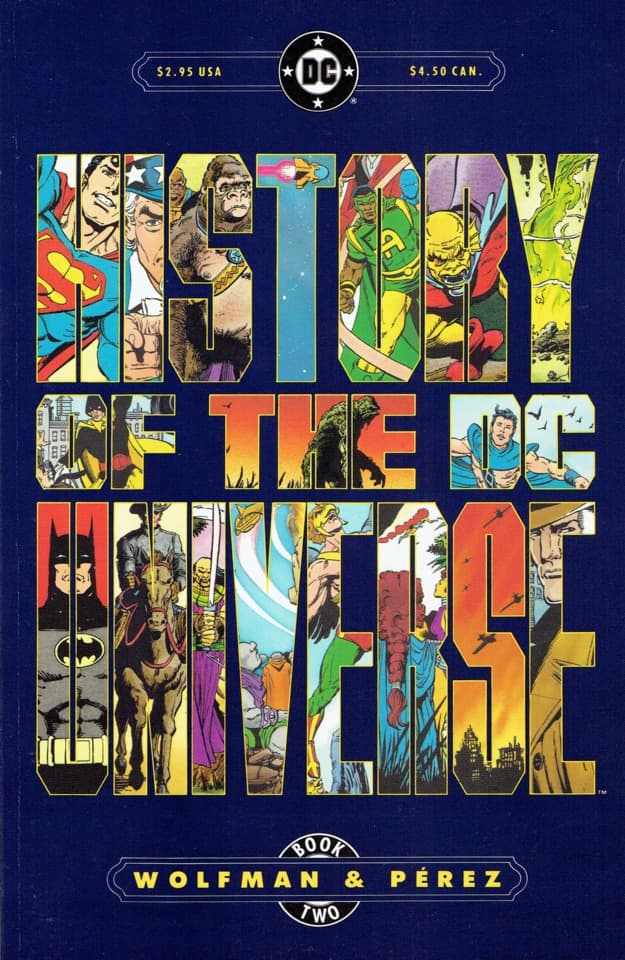
History of the DC Universe #2 (1986)
Powers & Abilities
Teams
Also Known As
Nathaniel Adams, Nathaniel Christopher Adam, Captain Adam, Cameron Scott, General Adam, Monarch, Kryptonite Man, Quantum Field Man, Captain Adym, Chrono Mota, Vincent Mallory
About Captain Atom
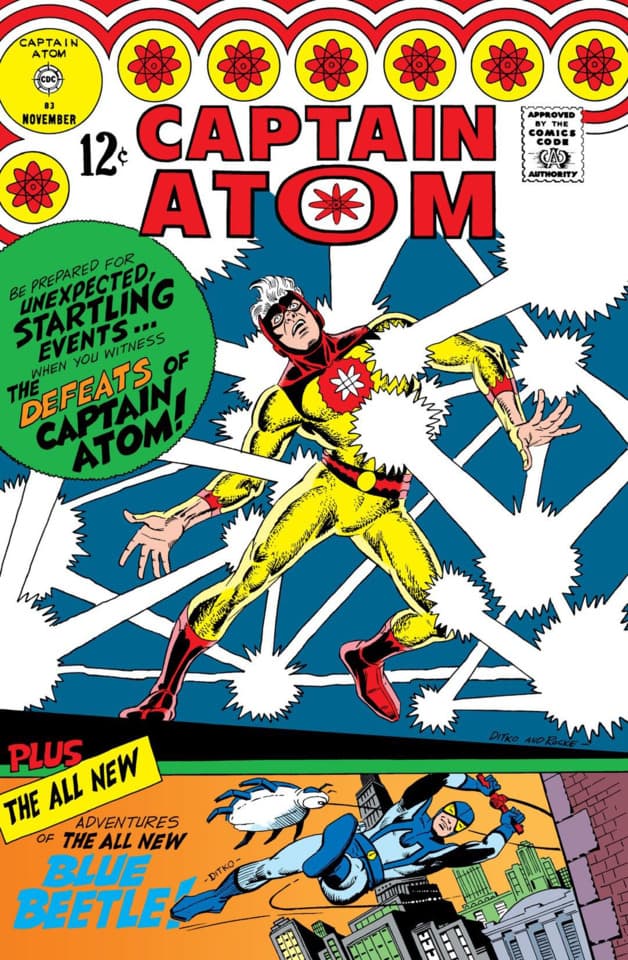
Captain Atom — the alter ego of Air Force officer Nathaniel Christopher Adam — stands as one of DC Comics' most powerful and tragically underutilized heavy hitters. Born from a government experiment gone catastrophically right, Adam was bonded to an alien metal shell and hurled forward through time, emerging as a near-omnipotent energy being capable of absorbing and redirecting virtually any form of power. His modern DC incarnation debuted in History of the DC Universe #2 in 1986, but collectors know his landmark solo series launched in 1987 is where the real treasure lies. That inaugural issue, written by Cary Bates and Greg Weisman with art by Pat Broderick, set the tone for a surprisingly political and psychologically complex superhero — one wrestling with government manipulation, false identity, and the terrifying weight of near-unlimited power.
What makes Captain Atom's run so compelling to collectors is its ambition. The late 1980s series leaned hard into Cold War paranoia and military ethics at a time when most superhero books were content with punching villains. His membership in Justice League International brought him into some of the most beloved team dynamics of the era, and Justice League Europe placed him front and center in stories that balanced globe-trotting adventure with genuine character development. Key issues from these team appearances remain highly sought after, especially early JLI issues where the roster chemistry was at its peak.
The character's dark mirror moment came with the Armageddon 2001 crossover event, where Captain Atom was controversially revealed — or nearly revealed — as the villainous Monarch. Though a last-minute editorial change altered that outcome, the storyline cemented his reputation as a character perpetually orbiting moral ambiguity. His later turn as Monarch in Countdown to Final Crisis gave collectors a brutal, armored reimagining that felt like decades of tension finally exploding. The Wildstorm-era Captain Atom: Armageddon limited series is another essential pickup, dropping him into a universe where his sheer power made him an existential threat.
For collectors, Captain Atom represents extraordinary value hiding in plain sight. His 1987 solo series remains affordable across most of its run, yet the character's deep ties to landmark DC events — from Invasion! to Zero Hour to Final Crisis — mean his key issues keep showing up in the middle of stories that matter. First appearances of supporting cast members, his earliest JLI appearances, and the Armageddon 2001 tie-in issues all deserve space in any serious DC collection. As one of the few characters who can credibly go toe-to-toe with Superman on a power level, Captain Atom's long-term collectibility is as charged as the quantum field that defines him.