Barbara Gordon
Barbara Gordon
First Appearance
Detective Comics #359 (1967)
Powers & Abilities
Teams
Also Known As
Amy Beddoes, Batgirl, Oracle, Babs, Nightwing, Barb, Barbie, Bluebelle
About Barbara Gordon
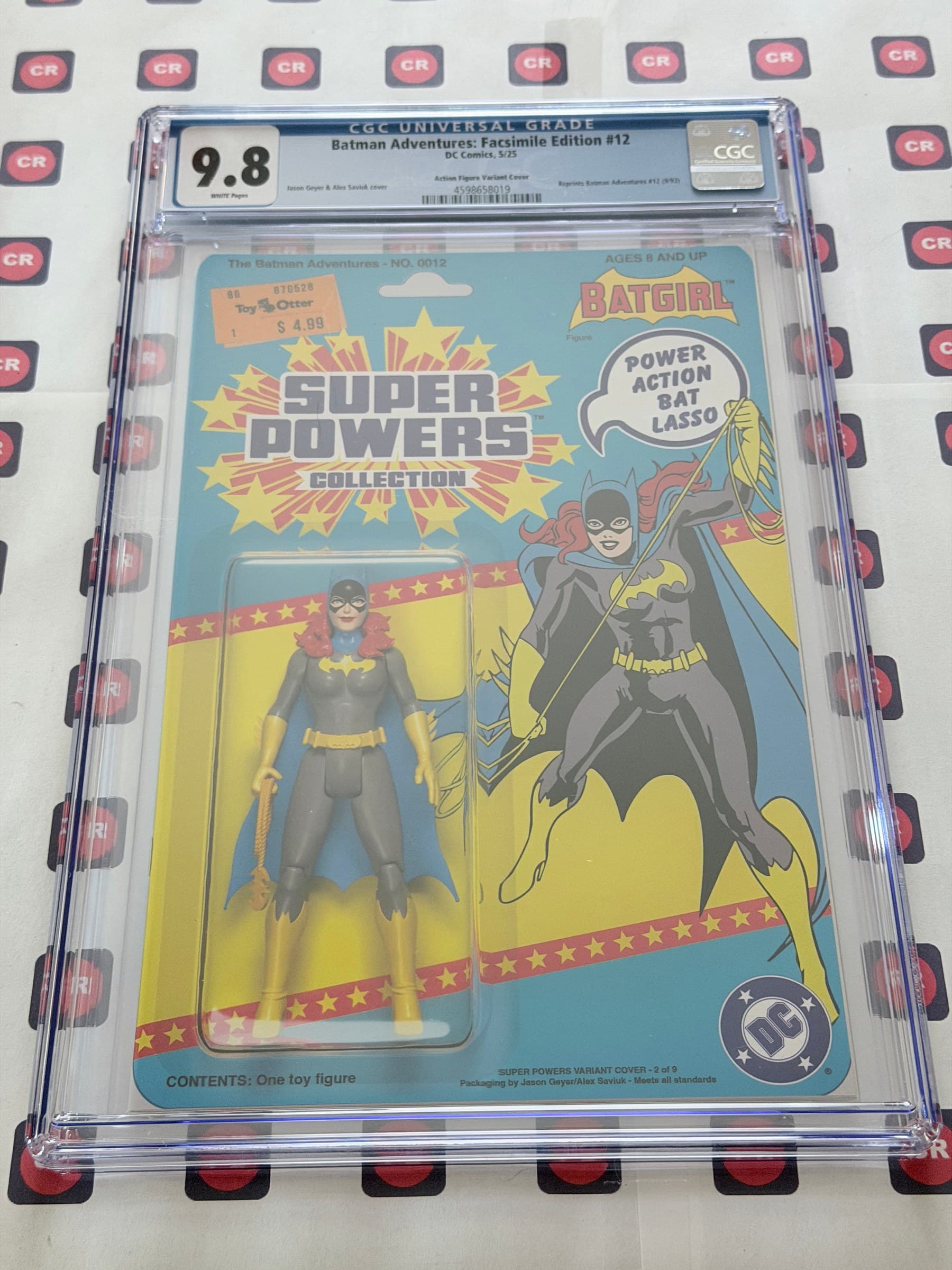
Barbara Gordon made her explosive debut in Detective Comics #359 (1967), created by Gardner Fox and Carmine Infantino, crashing a charity costume ball dressed as a female Batman and promptly saving Bruce Wayne from Killer Moth. That first appearance is one of the most coveted Silver Age keys in the Batman corner of the hobby, and high-grade copies command serious attention at auction. She quickly earned her own ongoing adventures as Batgirl, becoming one of DC's most recognizable heroines throughout the Bronze Age and a staple of Batman Family titles across the 1970s.
The character's trajectory changed forever in Alan Moore and Brian Bolland's Batman: The Killing Joke (1988), where the Joker's brutal attack left Barbara paralyzed. Rather than fading into the background, she was reborn as Oracle — a wheelchair-using information broker and master hacker who became the nerve center of the DC Universe. This transformation, developed richly through John Ostrander and Kim Yale's Suicide Squad run before expanding into the landmark Birds of Prey series, is widely regarded as one of comics' most meaningful character evolutions. Birds of Prey #1 (1999) is another key issue collectors actively chase, marking the launch of her defining team-up partnership with Black Canary.
Following DC's New 52 relaunch in 2011, Barbara reclaimed the Batgirl mantle in a critically discussed solo title, later reinvented by Cameron Stewart, Brenden Fletcher, and Babs Tarr into the vibrant Batgirl of Burnside era — a stylistic shift that influenced DC's aesthetic for years and generated a passionate new wave of collectors. More recently, Stephanie Phillips's Batgirl run and the broader Bat-Family crossover events have kept Barbara at the center of DC publishing. Her connection to teams ranging from Birds of Prey and the Outsiders to Justice League United gives her one of the widest comics footprints of any DC hero.
For collectors, Barbara Gordon represents extraordinary breadth and depth. You're chasing a true Silver Age key in Detective Comics #359, meaningful Bronze Age appearances across multiple Batman Family titles, a Bronze-to-Modern Age pivot point in The Killing Joke, and a string of modern keys tied to her various relaunches. Whether your focus is raw keys, graded slabs, or complete runs, Barbara Gordon's bibliography rewards deep digging — and her cultural staying power ensures those books will remain relevant for generations of collectors to come.