Apocalypse
En Sabah Nur
First Appearance
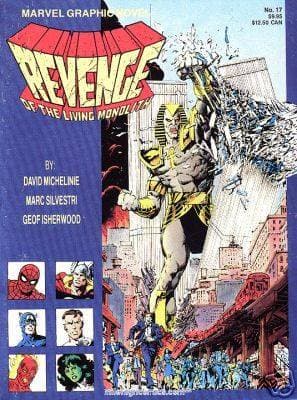
Marvel Graphic Novel #17 (1985)
Powers & Abilities
Teams
Also Known As
The Eternal One, The Immortal, The First One, High Lord, Set, Kali-Ma, Beast Child, Child of Destiny, Forever Walker, He Who Never Dies, Huitzilopochtli, Master of Lies, Son of the Morning Fire, The Bringer of Chaos, En Sabah Nur
About Apocalypse
En Sabah Nur — better known as Apocalypse — stands as one of Marvel's most imposing and philosophically complex villains, a mutant born in ancient Egypt thousands of years before the modern age of heroes. Forged in survival and shaped by a brutal belief that only the strongest deserve to endure, Apocalypse made his explosive debut in Marvel Graphic Novel #17 (1985), written by Louise Simonson and illustrated by Jackson Guice. That first appearance is a cornerstone key issue for any serious X-Men collector, marking the introduction of a villain whose shadow would stretch across decades of mutant mythology. His real name, En Sabah Nur — meaning "The First One" — hints at the grand, near-mythological scale Marvel always intended for the character.
Apocalypse's power set is virtually unmatched in the Marvel Universe. His body is a living engine of molecular self-manipulation, granting him shape-shifting, size alteration, matter density control, near-limitless physical strength, and an adaptive biology that makes him extraordinarily difficult to destroy permanently. Bonded with Celestial technology over the centuries, he is as much machine as mutant — a terrifying fusion of ancient will and alien science. His genius-level intellect, psionic abilities, and capacity for genetic manipulation make him not just a physical threat but an ideological one, capable of reshaping entire populations to suit his vision of mutant supremacy.
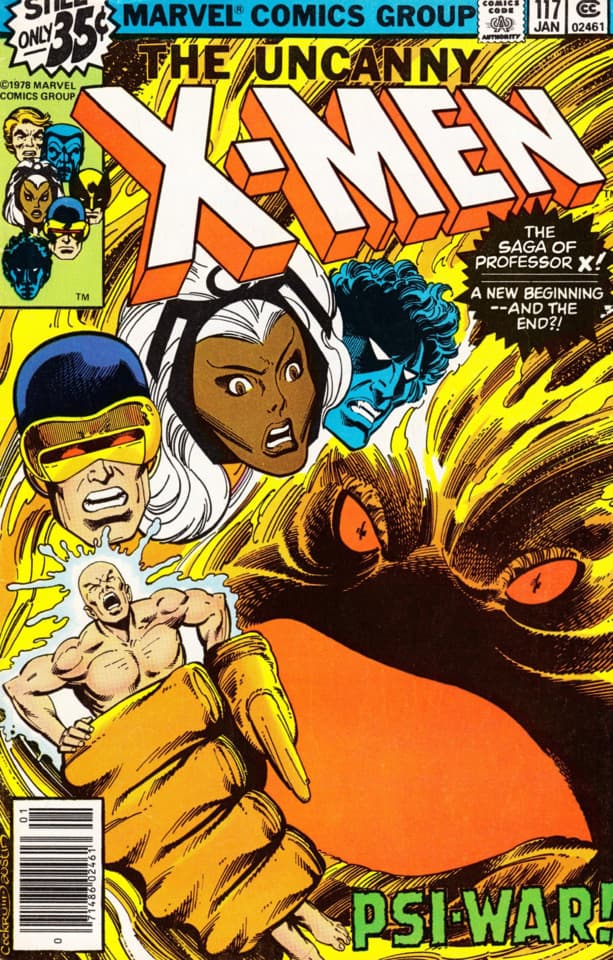
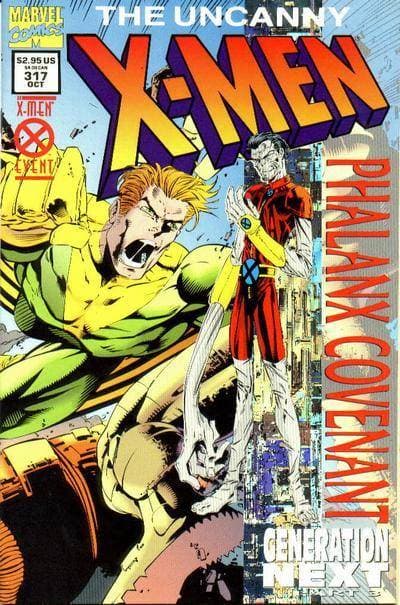
Few villains have driven as many landmark storylines as Apocalypse. "X-Factor" #1–68 established the broader mythology surrounding his Horsemen — Death, Famine, Pestilence, and War — a concept that has fueled countless key issues and character transformations, most notably the iconic turn of Angel into Archangel in X-Factor #24. "The Fall of the Mutants," "X-Cutioner's Song," "Age of Apocalypse," and "Blood of Apocalypse" each represent high-demand collecting arcs. The "Age of Apocalypse" event of 1995–1996 in particular is considered one of the most ambitious alternate-universe storylines in Marvel history, spawning an entire line of limited series and generating a wave of collectible first-issue variants that remain hot on the back-issue market today.
What makes Apocalypse's books genuinely worth hunting down is the combination of iconic villain status, relentless storyline involvement, and a publishing footprint that spans from mid-1980s Bronze Age keys all the way through the Krakoa era, where even Apocalypse himself found a complicated place among mutantkind. His first appearance, his Horsemen-related issues, and the full "Age of Apocalypse" checklist are perennial back-issue targets. Whether you're chasing raw copies or slabbed CGC grades, Apocalypse-centric books consistently hold their value and command attention — because in the world of X-Men collecting, no single villain has left a deeper mark.